
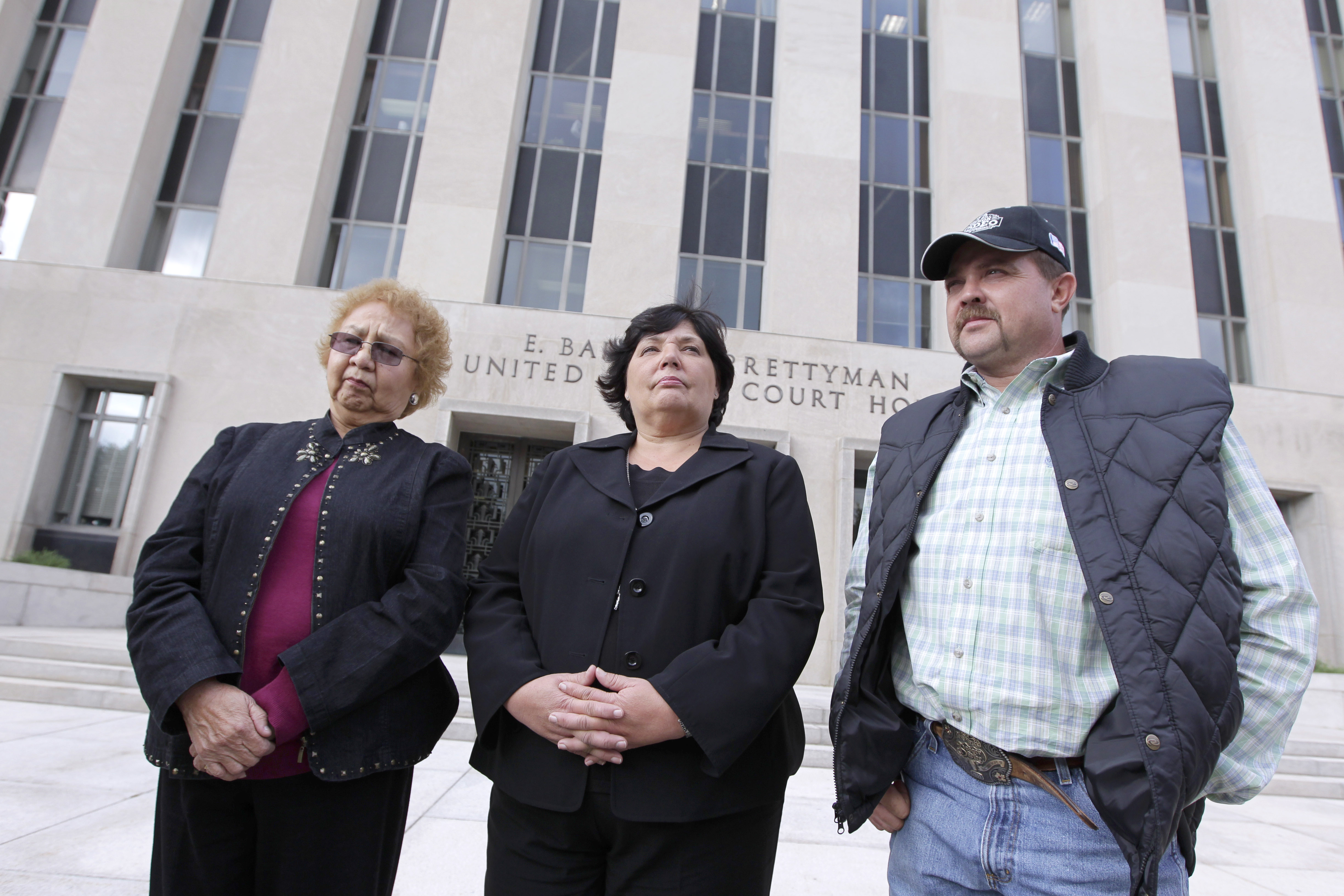
It can take time to heal an old wound. For Porter Holder, a Native American rancher who was denied a government land loan, it also took perseverance and an unfairly high interest rate. The fact that he was refused a cheaper and better option on discriminatory grounds, however, still stings.
More than 10 years ago, Holder, who was raised on a ranch, wanted something most Americans long for: land of his own. But he wasn’t rich; he needed a loan. So he headed to the government, thinking that’s where he could find it.
check out our premium collection
“I tried to buy a place,” Holder says. “I had 35 acres and a house that was paid for, and [the Farm Service Agency] had a place that had sat on their negative inventory for 11 years. So I went in and filled out the application — I’d been really careful, had checked my p’s and q’s. The guy looked at it and said, ‘You might as well withdraw this. You ain’t got nothing.’ I said, ‘I don’t want to withdraw it,’ and then he took a red ink pen and wrote ‘Withdrawn’ across the top and said, ‘Sign here.’ I said, ‘Is it because I’m Indian?’ and he said, ‘Have you thought about going through the tribe?’ ”
Though Holder was willing to put up his house and 35 acres for collateral, he was denied. So he found a place to lease instead, 30 miles from home. Two years later he bought a place from Farm Credit at an 8 percent interest rate. The USDA rate, by comparison, would have been just 3.5 percent.
The added cost and distance meant that it took him longer to achieve his goal, he says. “Two years I spent back and forth till I got to 75 momma cows.” Today, at age 44, he runs a 100-cow operation of his own in southeast Oklahoma in the Choctaw Nation and makes a comfortable living off the profits from his herd. But being forced to lease instead of buy meant he lost out on considerable income along the way. “My plan would’ve worked,” he says. “It did work. [But] I would’ve prospered.”
Stories like Holder’s are, unfortunately, not unusual. For years, Native Americans have faced discrimination from the USDA when applying for farm loans. Part of the problem was access. Though the 1990 Farm Bill started the process of opening USDA offices on reservation land, some Native ranchers were still left without local contact with USDA lending and program resources. There were also allegations of personal, person-to-person discrimination.
The Midnight Troubadour
Tough and timeless, this polo is built for the long ride. Featuring a crisp, non-collapsing collar and a rugged, stretchy fabric, it's the perfect shirt for any cowboy's wardrobe.
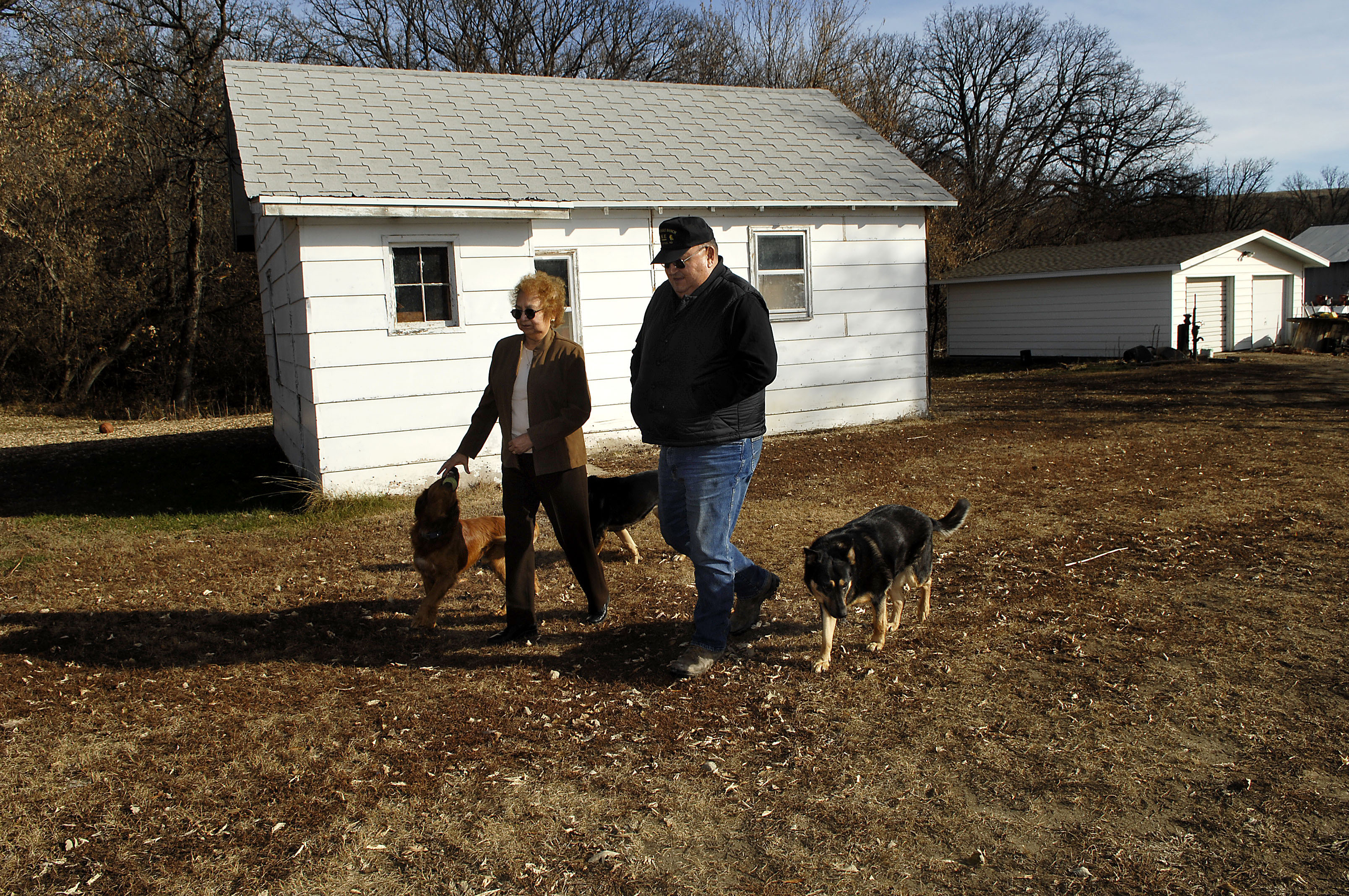
The issue came to a head in 1999 when Marilyn and George Keepseagle, who have ranched on the Standing Rock Indian Reservation in North Dakota for more than 50 years, filed a lawsuit alleging that the USDA unfairly denied them an operating loan after a series of calamities, including storms and low cattle prices. As a result of the government’s refusal, the couple ended up in foreclosure and had to sell 380 acres of George’s family land.
The Keepseagles stated that the discrimination was pervasive and ongoing, dating as far back as 1975 when they applied for their first loan to buy higher quality livestock. It turned out their story was not unique. Two more lead plaintiffs, including Holder, were added to the class action lawsuit, which would drag on for 11 years.
It wasn’t easy for the parties involved. Holder’s participation meant “seven or eight trips to D.C., two or three to Fargo [North Dakota], and thousands of hours of conference calls.” But, he says, the effort paid off. In 2011, the USDA conceded that the government had discriminated against Native American farmers and ranchers, and that they were owed $680 million in damages and an additional $80 million in loan forgiveness.
As a result of the settlement, the USDA made several changes. Fifteen representatives were hired on a contract basis to provide education and technical assistance to Native Americans on-reservation and within tribal communities around the country, and the Council for Native American Farming and Ranching was formed. The council, which is chartered to meet twice a year and held its first meetings in 2012, allows 11 Native ranching leaders from around the United States to sit on a board alongside four high-ranking USDA officials. The aim of the council is straightforward: allow for a dialogue between Native ranchers and the USDA.
“Settling Keepseagle v. Vilsack really goes a long way toward healing relationships and moves people forward,” explains Janie Simms Hipp, an agricultural lawyer, former senior advisor for tribal affairs to Secretary of Agriculture Tom Vilsack, and member of the Chickasaw Nation. “When you do that, you can actually have a deeper conversation and strategize with the community at large about how they can access programs better and use those programs to better prepare themselves for success.”
That “deeper conversation” Simms Hipp refers to is exactly what the Council for Native American Farming and Ranching was formed to be. “It’s a strong tool for the Native American farm and ranch people,” says Holder, who now sits on the board. “[Native] people need to know about it and voice their opinions to us about where they’re having problems.” Given his personal history, it’s perhaps no surprise that he was initially skeptical about the USDA officials who would be serving alongside him on the council. “I expected to find them kind of combative,” Holder says. “But at the end of our first three-day meeting, I told them, ‘I have to apologize.’ They were the total opposite.”
Native access to USDA programs is vital because the organization’s lending departments are forgiving where commercial lenders aren’t. As Ervin Carlson, president of the Inter Tribal Buffalo Council and member of the Blackfeet Tribe, explains, “They’re supposed to be a lender of last resort.” Carlson says he and his son experienced discrimination when applying for a loan just last year. “Maybe the credit rating wasn’t so good,” he concedes, “but they’re supposed to work with you.” Carlson, who says lending is the biggest detriment to Native ranchers, hopes the council will address what he sees as continued discrimination plaguing Native ranchers.
“I do think there is some discrimination still going on,” Carlson says. “I haven’t really seen a big improvement.”
But others say they have seen substantial improvements in recent years. “To me, [discrimination] has really changed more in the last four or five years than it has in the past 20, at least in my area,” Holder says. When asked why it might be different, Holder says with a laugh that the people who were responsible simply “aren’t with us anymore.” In other words: generational change. But also, Holder points out, “The world is a lot smaller just because of technology. There’s a different message out there now.”
Nevertheless, Holder concedes that racism and discrimination still exist in pockets around the country, and that’s why the council’s existence is important to him. He’s hopeful about the influence it could have. “I like what I see now,” he says. “If the next five years change as much as the last, it’d be wonderful.”
Lending isn’t the only challenge faced by Native farmers and ranchers, however. The council will also need to tackle issues of land ownership. “Some tribes do their farming and ranching through an arm of their government, like a department or a division of their governmental offices,” explains Simms Hipp. “Some do it as an arms-length separate business entity, like a farm or ranch corporation or other food business, and then other tribes have individuals who live and work on their reservations who farm and ranch. And then I would argue that the fourth way is all of the above. There is not one-size-fits-all for Indian [agriculture] at all.”
Some of the individuals who own land share the ownership with several other people, complicating sale and leasing issues. But only about 10 million of the 56 million acres of Native farmland in the lower 48 states is under fracti
Source: https://www.cowboysindians.com/2013/08/a-loan-deferred/