
Grand Teton National Park
Wyoming
You probably know the Grand Tetons as the beautiful mountains in Wyoming that you see as you head toward Yellowstone National Park, but these stunning peaks are well worth considering as a destination for your next camping trip. The Tetons, shaped like freshly dispensed fro-yo mounds on a row of sugar cones, are their own breathtakingly beautiful national park. On our visit, photographer Justin Carrasquillo and I dipped our feet in the Snake River, which unfurls its shimmering, watery ribbon across the green prairies. We threw in our lines and fished for cutthroat trout. We spent a day in Jackson, a fun Western-themed town that has great eateries, shops, and photo-worthy architecture, and took a scenic drive to Jenny Lake, where we had lunch at the lodge. We embraced every bit of this land where wild bison, moose, elk, wolves, and grizzly bears roam free.
What to see
The Grand Teton, the Snake River, Jackson, Jenny Lake (and Jenny Lake Lodge), roaming bison and wild moose, countless stars
check out our premium collection
What to bring
Fishing poles and lures, a good tent rainfly with extra clamps (in case of high winds), bear spray
Where to camp
There are five different campgrounds in the park: Colter Bay, Gros Ventre, Jenny Lake, Lizard Creek, and Signal Mountain; another, Headwaters, is located one mile north. Most are first come, first served, but a couple offer reservations for groups and individuals. Gros Ventre is our favorite.
Joshua Tree National Park
California
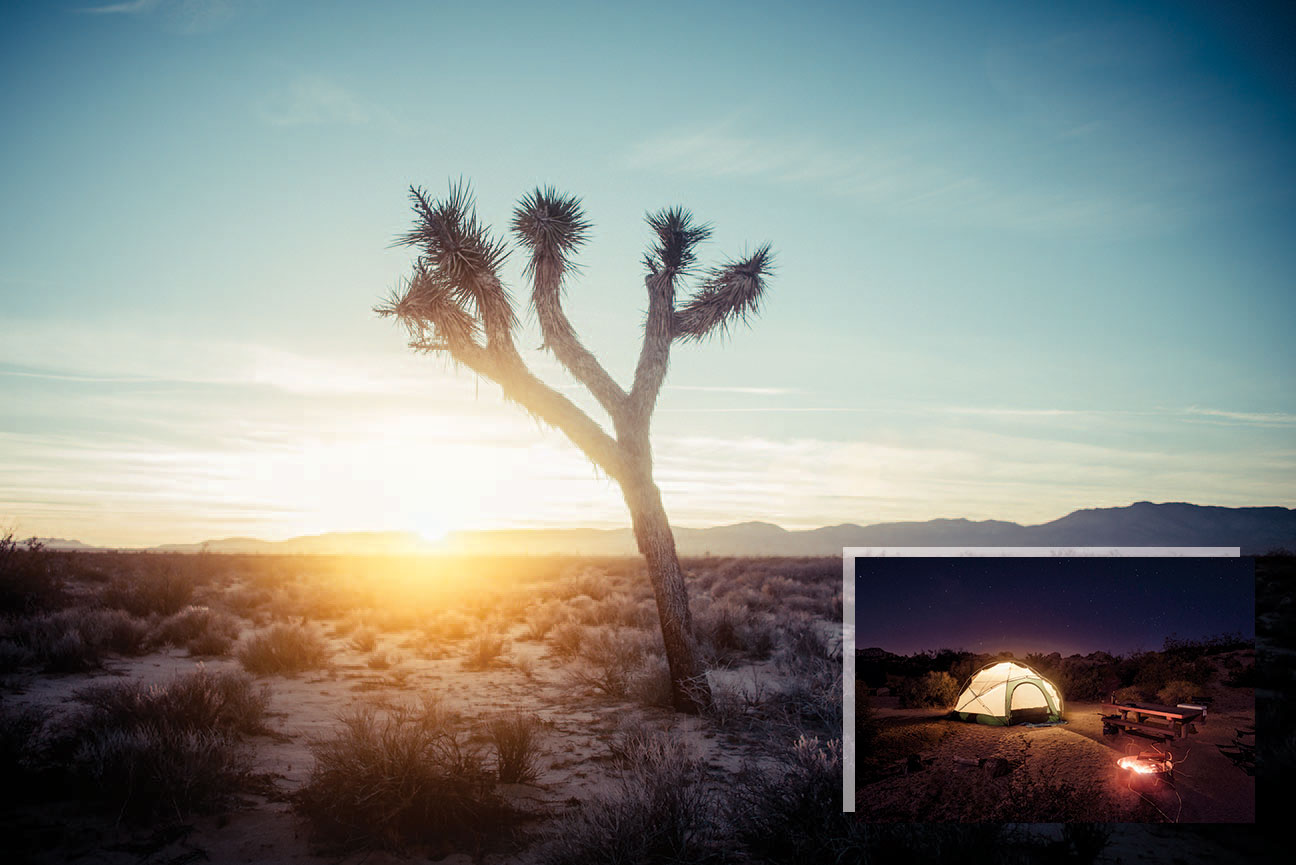
The Joshua tree got its name from Mormon settlers in the mid-1800s. The tree reminded them of the biblical character Joshua, who is described as raising his arms up when praying. We, too, were inspired by this park’s mystical landscape filled with twisted Joshua trees and giant boulders, which challenge the hiker in all of us to explore. You will experience a free concert every night performed by local coyotes under a spectacular sky. In all the camping we have done, there is definitely something special about the sky here. We highly recommend taking a night hike — give your eyes 20 – 25 minutes to acclimate to the darkness, and go explore with your camera.
The Midnight Troubadour

Tough and timeless, this polo is built for the long ride. Featuring a crisp, non-collapsing collar and a rugged, stretchy fabric, it's the perfect shirt for any cowboy's wardrobe.
What to see
Skull Rock, Indian Cove nature trail, the Joshua tree forest in Black Rock Canyon, desert wildlife, the starry night sky while listening to a concert of coyotes
What to bring
Sunscreen, lots of water (there is no water or cell access inside the park, so plan on at least a gallon a day per person for drinking and hand washing), firewood (there isn’t any available once you enter the park), bug spray, sun hat, all-weather jacket (temperatures drop drastically at night)
Where to camp
The park has nine campgrounds with more than 500 campsites, and all are great. Most of the sites have plenty of space and privacy. Some favorites are Black Rock, Sheep Pass, and Hidden Valley because they are in the heart of the park. But our pick is Jumbo Rocks, appropriately named for the campground’s large boulders, which you can climb for a great view of the surroundings.
Uinta-Wasatch-Cache National Park
Utah
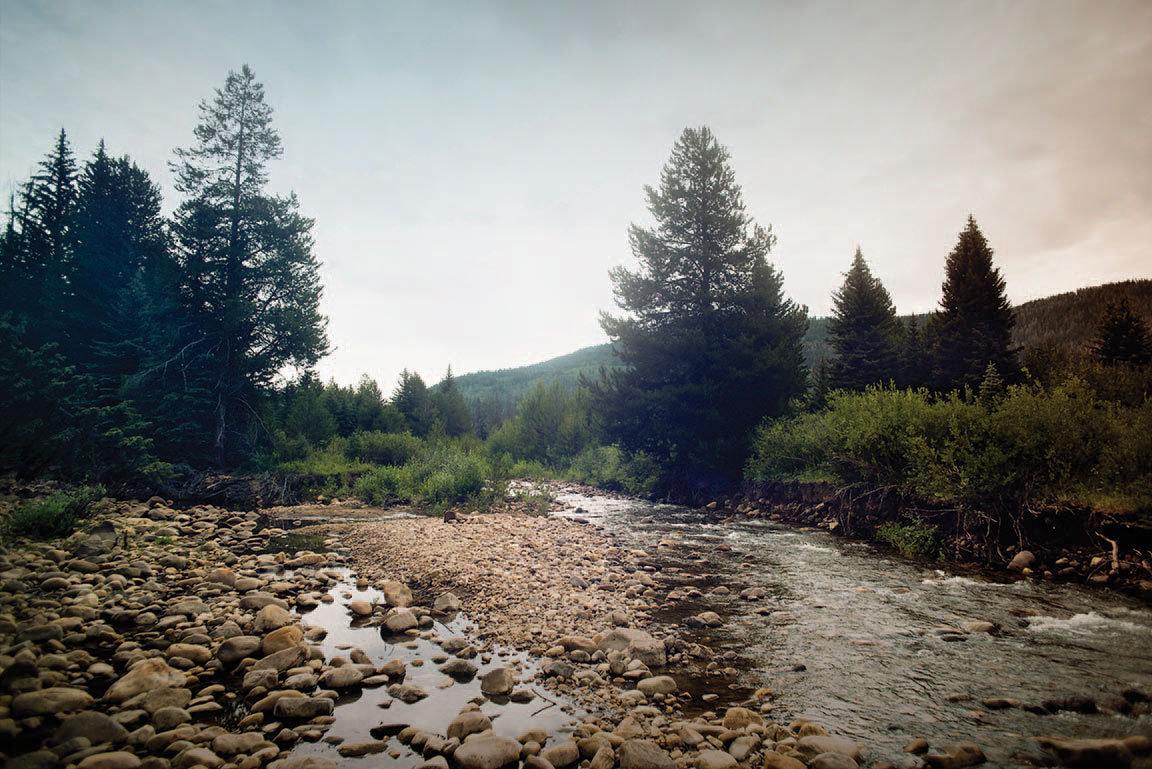
Utah is probably best known for its famous Park City Mountain Resort or the spectacular Bryce Canyon and Zion national parks. But when we visited Zion, we decided to head north to explore. After driving several hours, we discovered a location less known but worth a visit — the Uinta-Wasatch-Cache National Forest in northern Utah. We started our journey up the mountain in Provo, a beautiful town just south of Mount Timpanogos. As we drove through the lush forest, we found that this landscape is home to numerous rivers, lakes, creeks, and meadows embracing the wildlife hidden within. Since we love to fish, we decided to camp at Ledgefork because it has a large creek in the middle of it. While fishing, we saw deer, elk, and a variety of birds. In the evening, we heard howls echoing in the mountains; in the morning, we woke up to the sound of cowbells around our tent. It turns out there are some hidden ranches around the area that allow their cows to roam free. This location is one to visit if you are looking to get away from the city and your busy lifestyle. Here, you will find that escape you are searching for.
What to see
Provo Peak, Provo River Falls, Alpine Scenic Loop, Spanish Fork Canyon, local ranches
What to bring
Rainfly, waterproof jacket, fishing pole, binoculars, bear spray, first-aid kit
Where to camp
With 108 available campgrounds, you have plenty of options. Located just above the Smith and Morehouse Reservoir, Ledgefork Campground has a large creek running through it and is perfect for fishing and canoeing.
Death Valley National Park
California
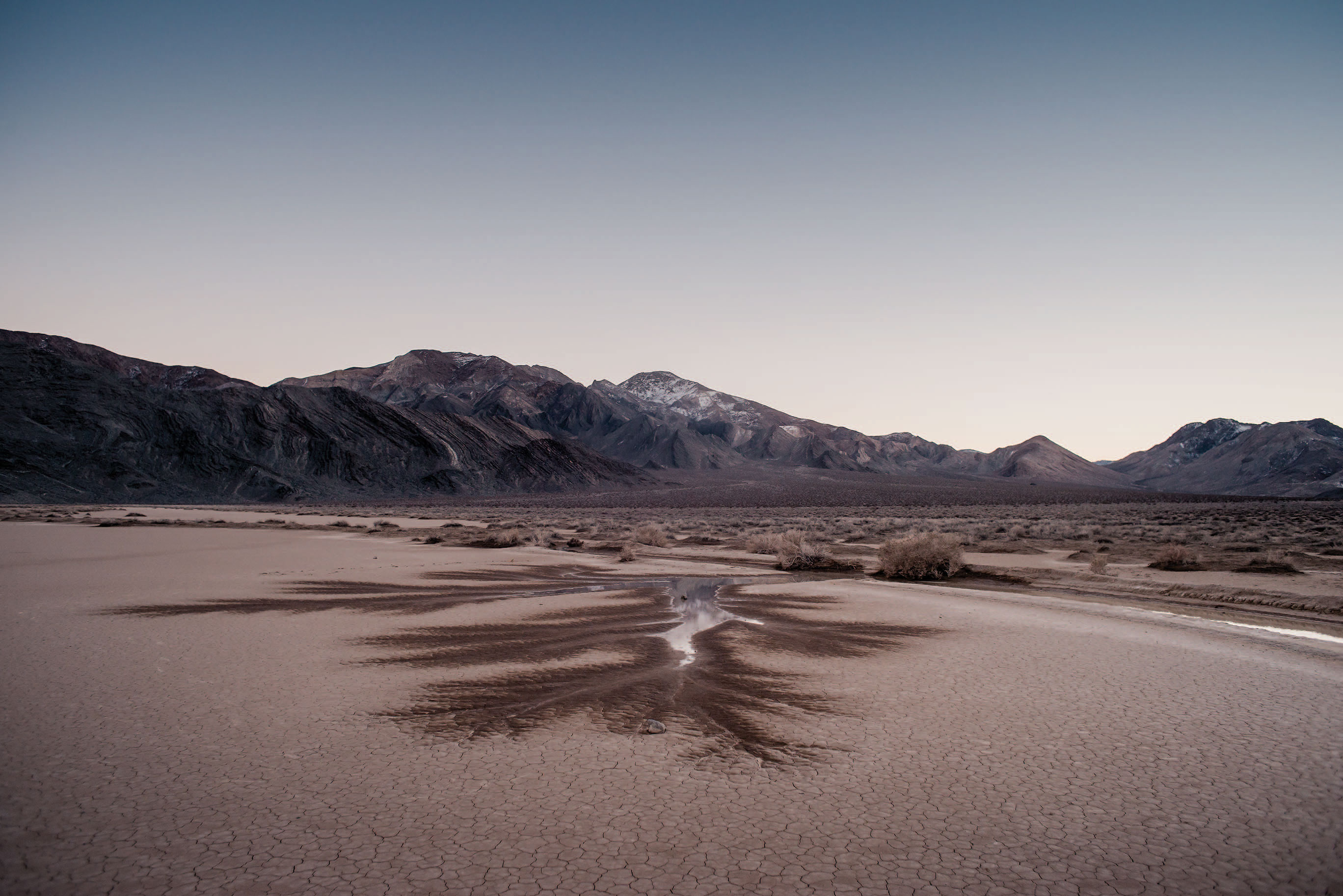
Death Valley National Park is a must for any true explorer at heart. The unique textures of the parched ground and nuanced colors of the rock formations make you feel like you’re on another planet, telling a powerful story of time’s impact upon the earth. When we first visited, we took some time to read the history of the Timbisha Shoshone Indians, whose ancestors first inhabited this land more than a millennium ago. We spent an hour walking across the rough plains of Badwater Basin, the lowest point in North America at an elevation of 282 feet below sea level, which contains a small spring-fed pool of undrinkable “bad water.” It was amazing to see the way the earth developed its hexagonal honeycomb surface there. The whole park is a vast wonderland, with myriad hiking trails and sites to explore.
What to see
The moving rocks at Racetrack Playa, Badwater Basin, Ubehebe Crater, Scenic Highway 190, roadrunners, awe-inspiring sunsets
What to bring
Extra water, sunscreen, sun hat, park map, lip balm, high-clearance vehicle with all-terrain tires (for moving rocks)
Where to camp
There are nine campgrounds in Death Valley. We prefer Mesquite Spring, which is far from the Furnace Creek crowds. But the solitude means it is a long way to the nearest store. Make sure you have plenty of provisions.
Lake Isabella
California
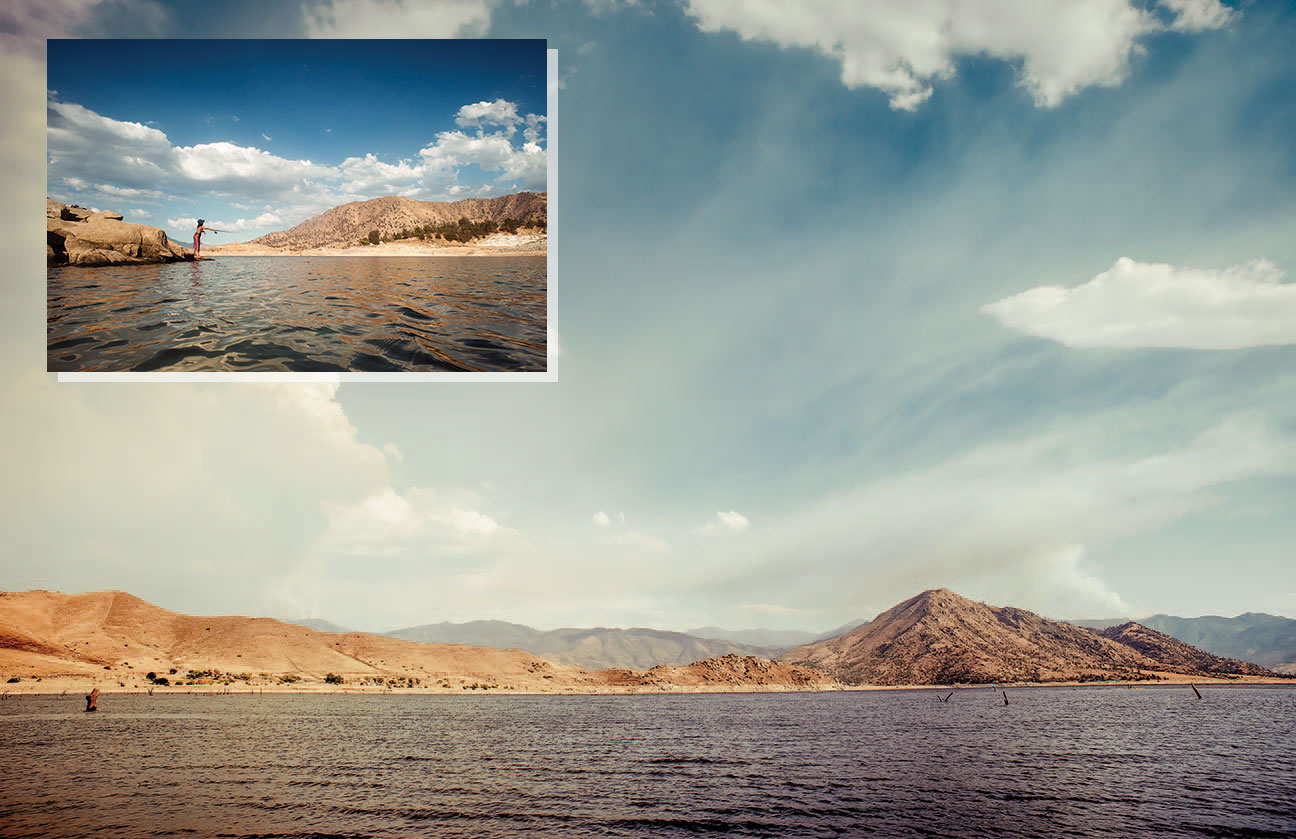
About three hours away from Los Angeles, as you drive north toward Kern River Valley and Sequoia National Forest, you will come across beautiful Lake Isabella. During the summer months, you can swim in and rent boats on this large man-made lake and suntan on its shoreline as you listen to the birds and dragonflies flying by. No matter when you visit, if you remember to bring along your fishin
Source: https://www.cowboysindians.com/2016/06/camping-the-west/