
In The Field to Table Cookbook: Gardening, Foraging, Fishing, & Hunting (Welcome Books, 2016), writer Susan L. Ebert leads readers into a vibrant world from the get-go — with no couch in sight. She refers to “the backflips my heart does ... at the gobble of a turkey in bluebonnet-festooned meadows.” A duck wears “stained-glass window colors of iridescent emerald green, royal purple, garnet, indigo, chestnut, and gold, slashed with a brilliant white.”
But what might be new to big-city types is just life lived to Ebert, whose family expected an outdoors lifestyle for her even before she was born. “It all kind of goes back to my Papaw, my granddaddy Dorsey Watkins, who was a big outdoorsman,” Ebert tells C&I. “I was the firstborn grandchild, and he badly wanted a grandson that he could take along hunting and fishing with him. He got me instead and decided to just proceed with the original plan. I was horseback on the front of Papaw’s saddle before I could even walk and fishing for bluegill with him out of the little stock tank that he kept on the back of his farm. He taught me how to shoot and to hunt with him.”
check out our premium collection
While she drifted away from those self-sufficient, horseback days during grad school and the early years of her professional life, it wasn’t long before she was growing an organic garden and working at Organic Gardening magazine, and from there she became the first woman publisher-editor ever at Texas Parks & Wildlife magazine.
Ebert has seen interest in the outdoors and organic lifestyle ebb and flow and is excited to see its current esteem. “People are ready to listen to that message now, and I couldn’t be more thrilled about it,” Ebert says. The Field to Table Cookbook, with more than 150 fantastic and accessible recipes separated by season, couldn’t have come at a better time.
The Midnight Troubadour
Tough and timeless, this polo is built for the long ride. Featuring a crisp, non-collapsing collar and a rugged, stretchy fabric, it's the perfect shirt for any cowboy's wardrobe.
Cowboys & Indians: How did you make the leap from avid huntress, angler, forager, gardener, cook, and writer to cookbook author?
Susan L. Ebert: My husband [Shannon Tompkins] — he’s the outdoors writer for the Houston Chronicle and a big hunter-angler — and I basically met through our shared love of the outdoors and careers in journalism. Our life has revolved a lot around hunting and fishing together, so we always had a lot of fish and game around for me to play with. It never had really occurred to me to do a cookbook. But I loved having dinner parties. I loved serving fish and game, and when people would come over they kept saying, “This is the best venison — or the best duck or the best redfish or the best whatever — I’ve ever had. You should really write a cookbook.” And I kind of got pushed off the cliff and decided, well, maybe I should. I’ve got more than 50 wild game and fish cookbooks, and I think some of my ways are better than what’s in those, so I’m going to take a swing at it.
C&I: Can anyone from the single mom to the city slicker take a swing at making these dishes? The cookbook makes it seem relatively easy to, as you say, build a bridge between the natural world and the family table.
Ebert: That’s exactly what I set out to do: help build that bridge for basically anyone. I felt I had something to say because I was a single mom myself the whole time that my kids were growing up, and I understand what it’s like to be a single parent, have a demanding full-time job, and then try to take care of your kids and all their sports activities and doctors’ appointments and PTA meetings and that sort of thing, and still have some recreational time for yourself and still be able to cook healthy meals. So I focused on the kinds of things that would be approachable, that people could look at and say, “Hey, that looks like something I could do. That looks pretty easy.”
C&I: Easy, good, good for you — and very timely considering the growing movement toward clean, whole foods. ...
Ebert: This whole locavore, sustainable, non-GMO, organic movement is really [about] getting the chemicals out of our food supply. People are starting gardens, growing things in their backyard. There’s a huge increase in the interest in foraging. Women are learning to hunt in record numbers. In 2001, there were 1.8 million women hunters; by 2013, there were 3.3 million. That’s an 85 percent increase in just 12 years. And most of the women coming into hunting are doing so to put clean, hormone-, antibiotic-, chemical-free protein on their family’s table while spending quality time outside and helping conserve wildlife populations. People are ready to listen to that message now, and I couldn’t be more thrilled about it.
C&I: The movement is as much about an overall lifestyle as it is about eating. How would you recommend someone interested in the foraging lifestyle get into it?
Ebert: Foraging is such a cool thing because it teaches people to recognize that in all this green stuff around them all the time there are edible plants — even right in their own backyard. A good first step is to get a field guide; there are some great ones. Mark Vorderbruggen, who people know as Merriwether of Texas, has a website, www.foragingtexas.com, and he just came out with a book, Idiot’s Guide: Foraging, which is doing phenomenally well. That’s a great little field guide to take with you. His website is also extremely valuable.
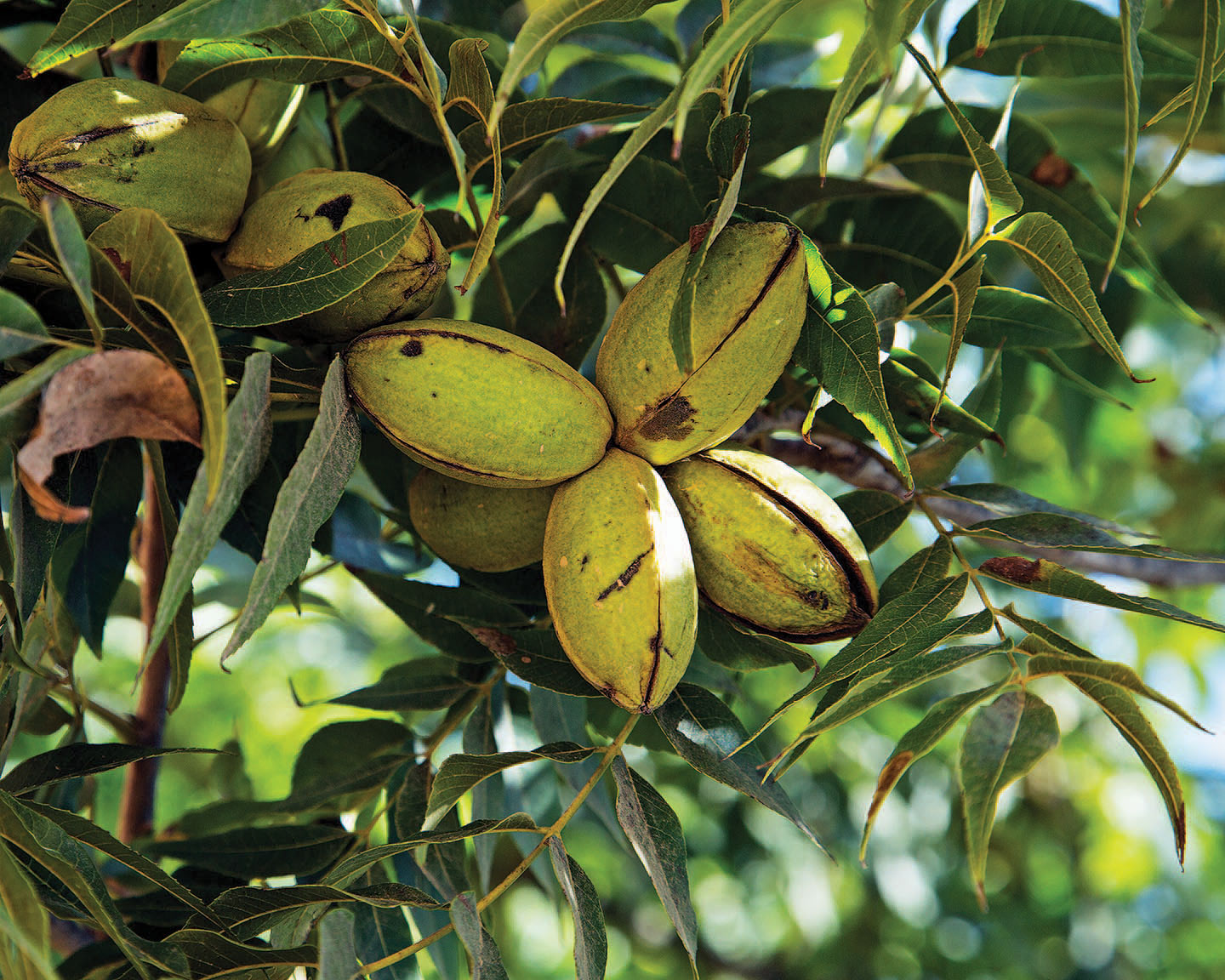
Start with easily recognizable plants. You don’t want to start with mushrooms or something that could have a lot of doppelgängers because some of them are highly toxic. So it’s best to start with things that are very easy to recognize like blackberries and elderberries and American beautyberries and wild persimmons. The No. 1 foraged food in Texas, of course, is the pecan. There are all sorts of wonderful ways to get started in foraging. Merriwether is also now doing workshops all over Texas for people who want to get involved.
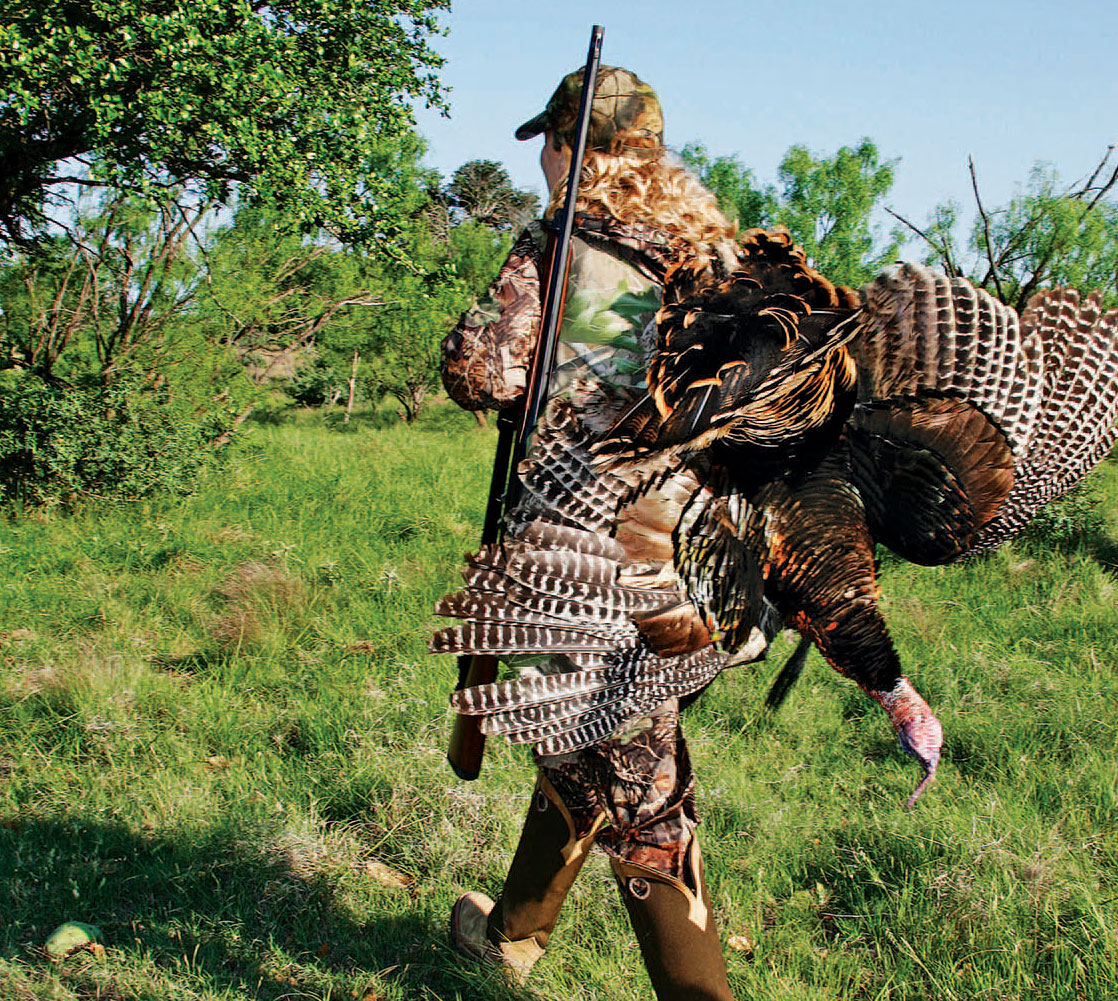
C&I: What about hunting?
Ebert: Folks who aren’t in Texas can check with their state’s natural resources department for workshops they might put on. Texas Parks and Wildlife Department produces high-quality workshops through its Becoming an Outdoors-Woman program, which is targeted toward women who want to learn outdoor skills. For guys, there are lots of opportunities as well. Jesse Griffiths — he owns Dai Due Butcher Shop & Supper Club in Austin, Texas, and wrote the cookbook Afield: A Chef’s Guide to Preparing and Cooking Wild Game and Fish — does absolutely wonderful workshops several times a year.
Also in Austin, Chris Houston operates Feral (www.feralaustin.com), a “wild food workspace” with a fully equipped kitchen for people who want to butcher and process their own wild game. He does workshops where you can learn to hunt, take a wild hog on your hunting trip, and then Chris and his staff will be there to help you field-dress, process, package up your processed cuts, make sausage, that sort of thing. Things like this are popping up around the country. A little research on the internet will get you pointed in the right direction in your area. And of course my cookbook has how-to primers on everything from plucking a duck to handling and freezing fish.
C&I: Hunting might not be for everyone, but there’s an awful lot in this book even for someone who’s never going to pick up a gun or crossbow. The point really is about eating clean foods. ...
Ebert: One of the things that was really important to me that maybe sets this book apart from other wild game cookbooks is I completely expunged any sort of prepared fo
Source: https://www.cowboysindians.com/2016/11/from-field-to-table/