
Color Theory: A Guide For Nail Artists
Color theory is the foundation of any visual art, and nail art is no exception. Understanding how colors interact, complement, and contrast each other is crucial for creating stunning and cohesive nail designs. This guide will walk you through the essential concepts of color theory, providing you with the knowledge and tools to elevate your nail art game.
The Color Wheel: Your Artistic Compass
The color wheel is a visual representation of colors arranged according to their chromatic relationship. It's your go-to tool for understanding color harmonies. Primary colors (red, yellow, blue) are the foundation; they cannot be created by mixing other colors. Secondary colors (green, orange, purple) are created by mixing two primary colors. Tertiary colors are formed by mixing a primary color with a neighboring secondary color.
Understanding Color Harmonies
Color harmony refers to visually pleasing arrangements of colors. Here are some common harmonies you can use in your nail art:
- Monochromatic: Uses variations of a single color (e.g., light blue, medium blue, dark blue). This creates a subtle and elegant look.
- Analogous: Uses colors that are next to each other on the color wheel (e.g., yellow, yellow-orange, orange). It offers a harmonious and soothing effect.
- Complementary: Uses colors that are opposite each other on the color wheel (e.g., red and green, blue and orange). This creates a vibrant and high-contrast look.
- Triadic: Uses three colors that are equally spaced on the color wheel (e.g., red, yellow, blue). This creates a balanced and eye-catching design.
- Tetradic (Double Complementary): Uses two sets of complementary colors (e.g., red, green, yellow, purple). This is the most complex harmony and requires careful balancing.
Color Psychology in Nail Art
Colors evoke different emotions and associations. Consider the psychological impact of your color choices:
- Red: Passion, energy, excitement
- Blue: Calm, peace, trust
- Yellow: Happiness, optimism, energy
- Green: Nature, growth, harmony
- Purple: Royalty, luxury, creativity
- Black: Sophistication, elegance, mystery
- White: Purity, cleanliness, simplicity
Applying Color Theory to Nail Designs
Now, let's put color theory into practice. Here are some tips for creating stunning nail designs:
- Start with a Color Palette: Choose a color harmony that resonates with your desired aesthetic.
- Consider Skin Tone: Certain colors complement specific skin tones better than others. Experiment to find what works best.
- Balance and Contrast: Use a balance of light and dark colors, as well as contrasting hues, to create visual interest.
- Experiment with Finishes: Matte, glossy, glitter, and metallic finishes can dramatically alter the appearance of a color.
- Incorporate Accents: Use accent colors sparingly to draw attention to specific details.
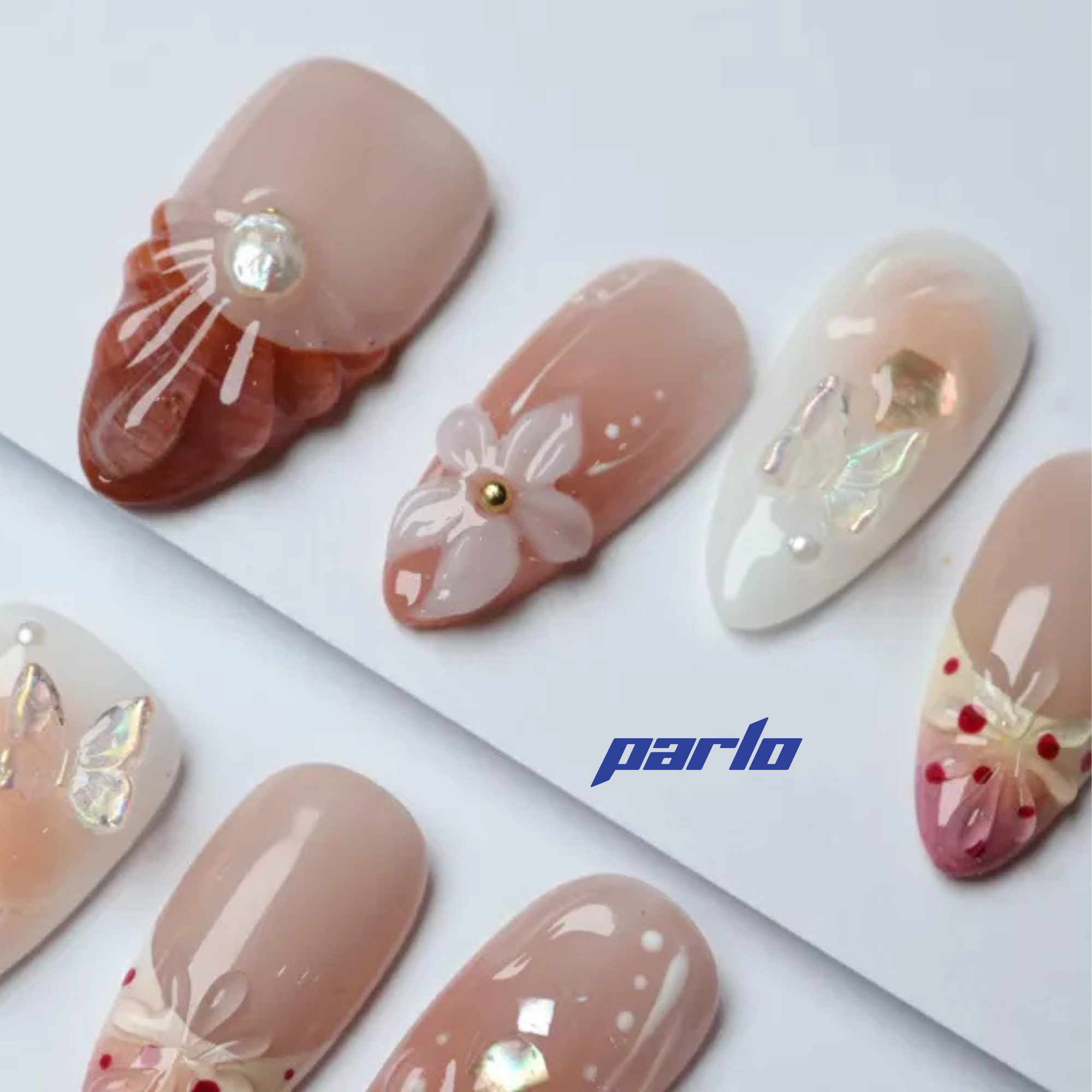
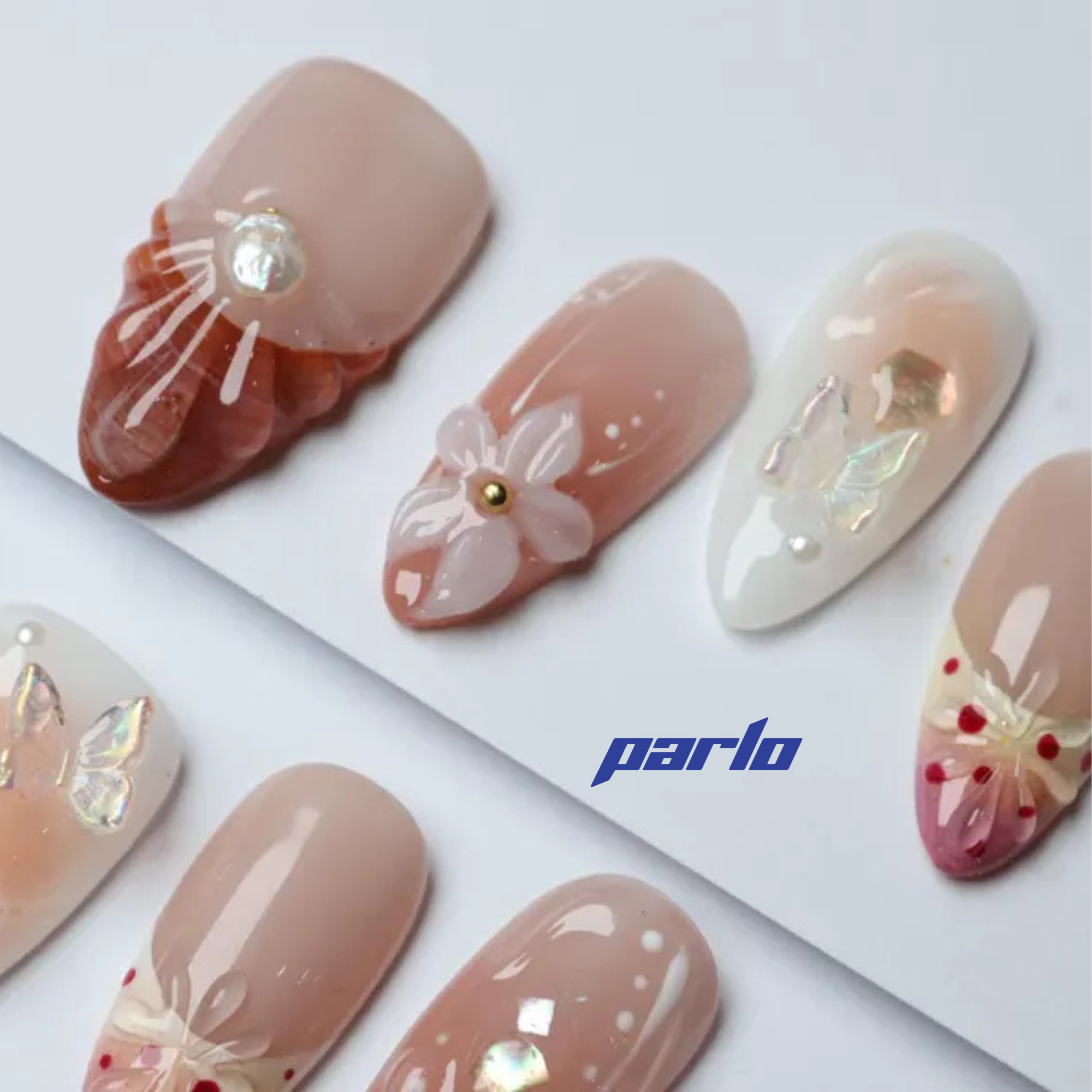
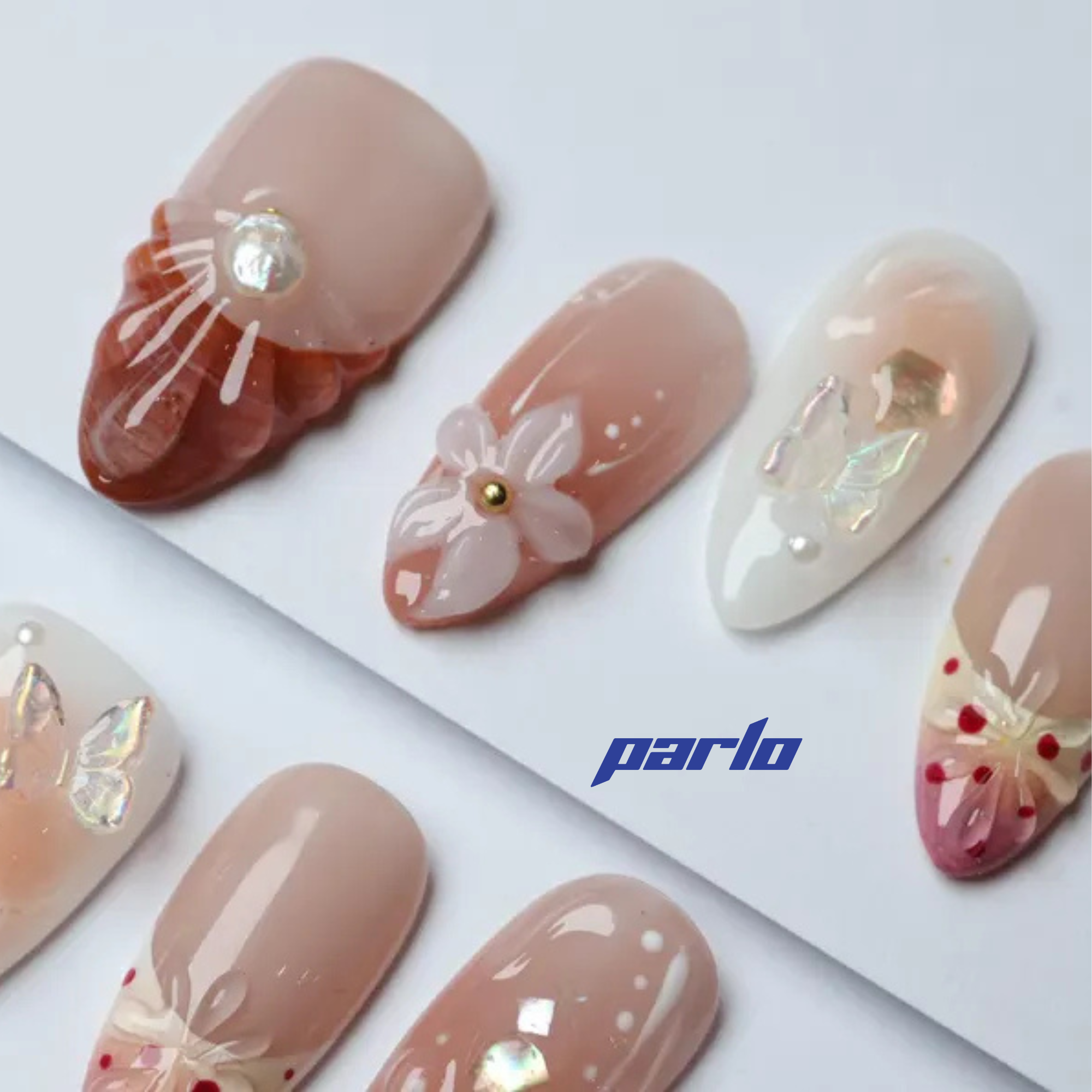
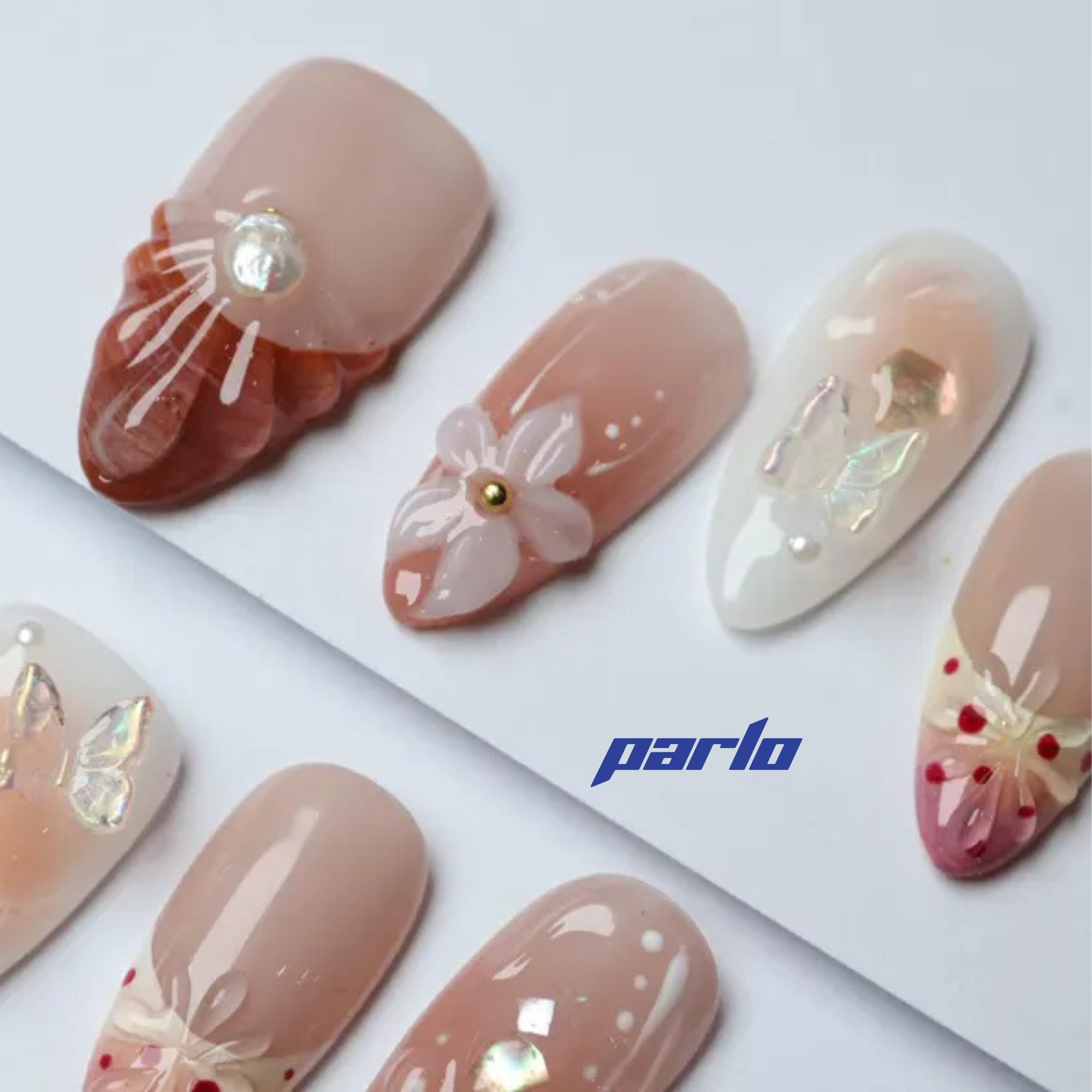
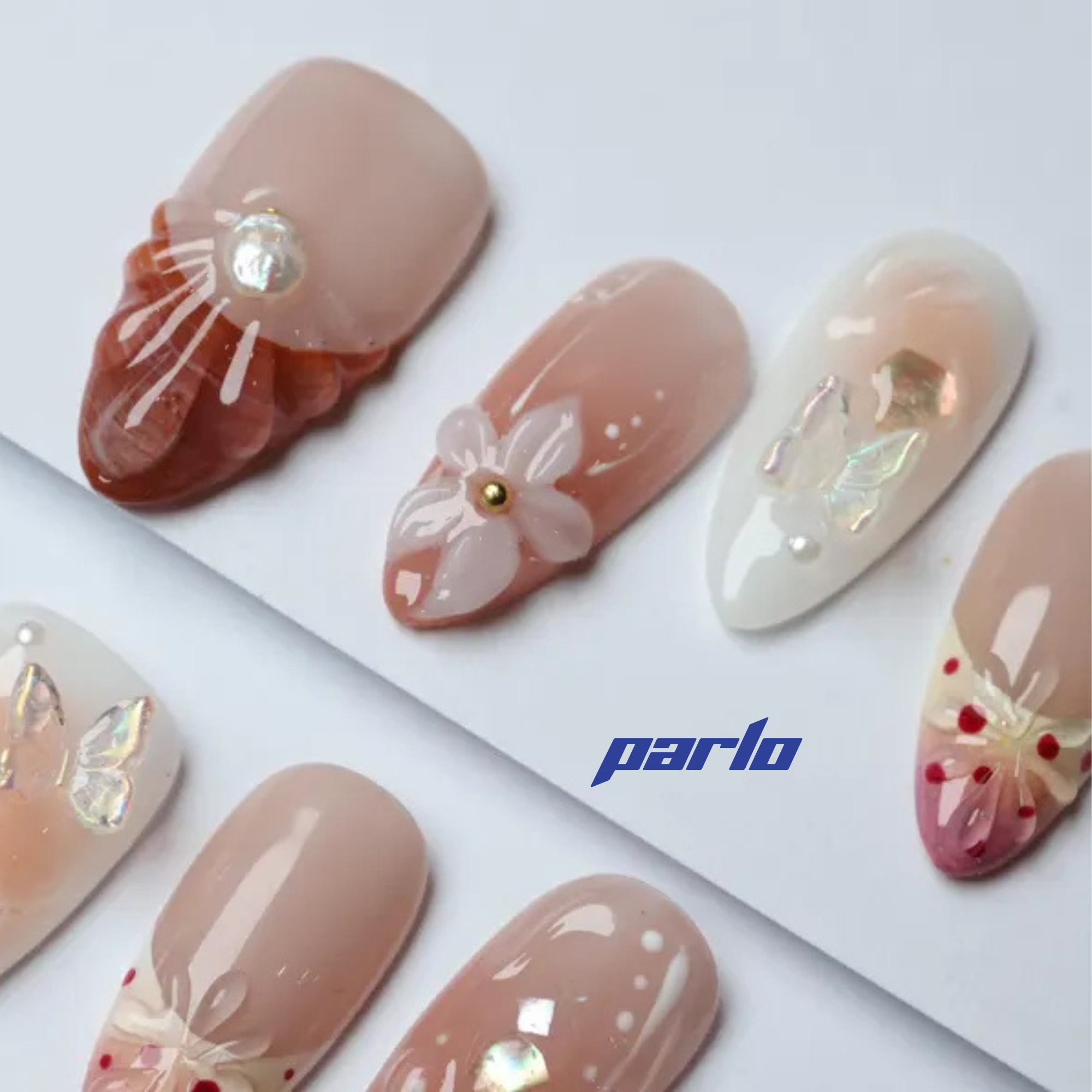
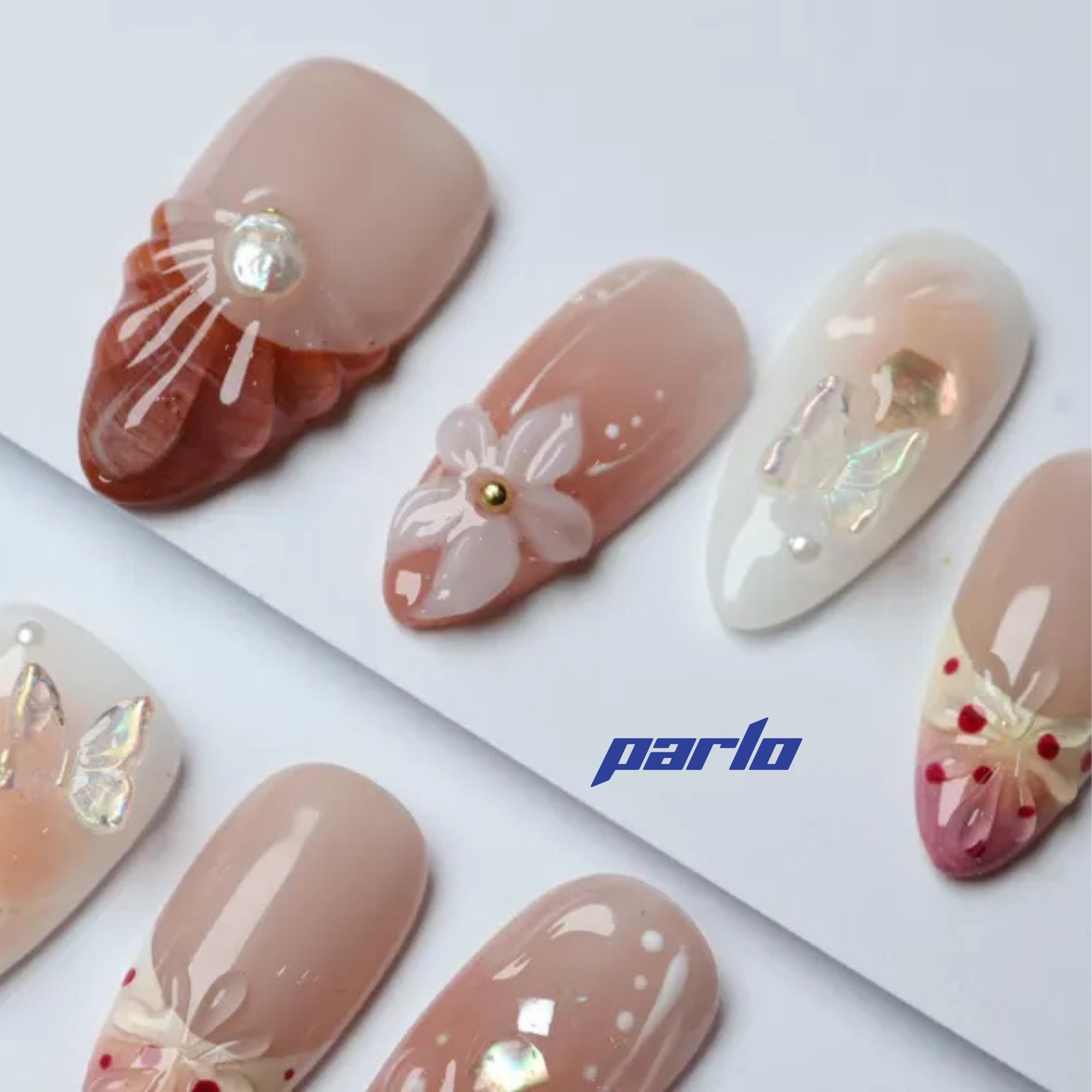
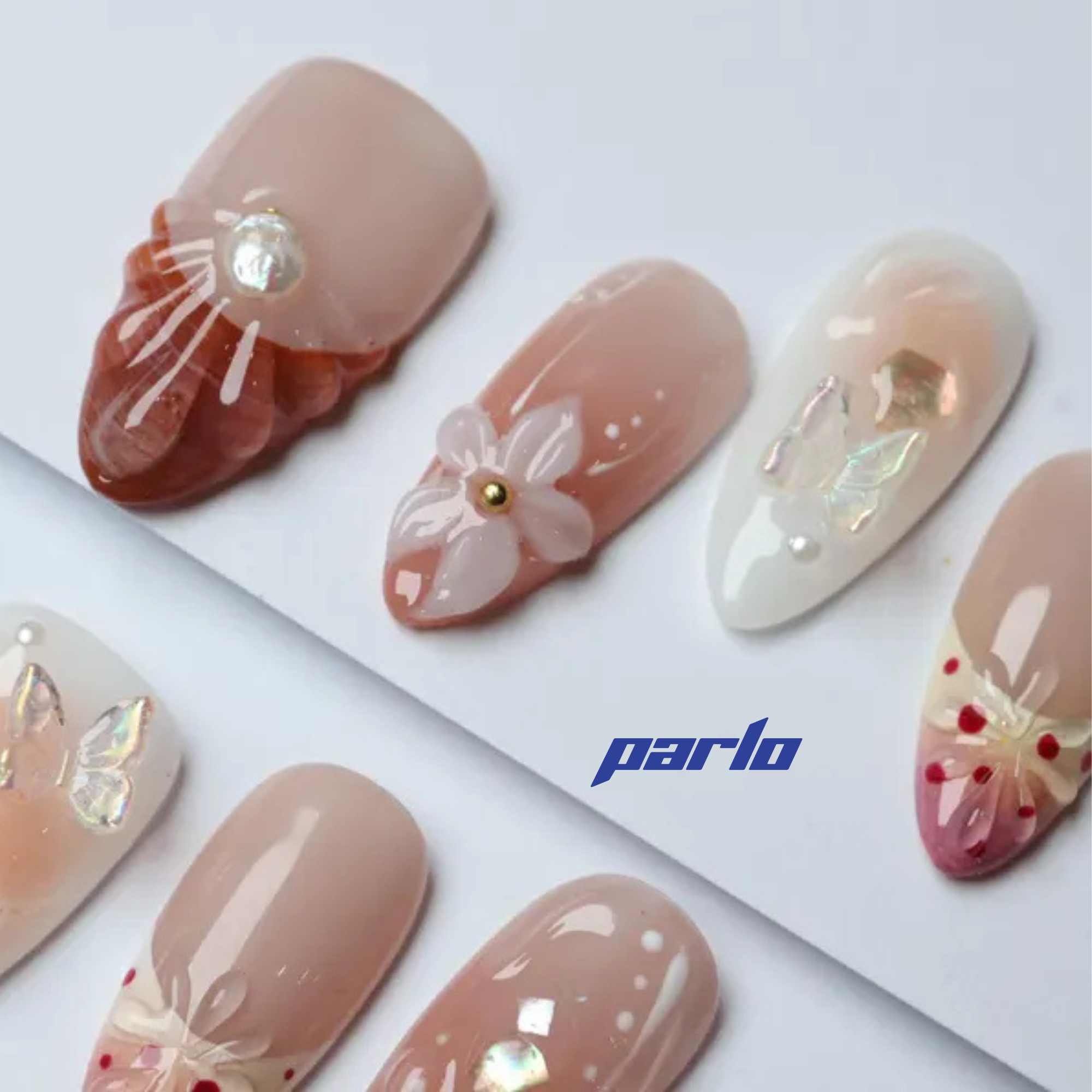
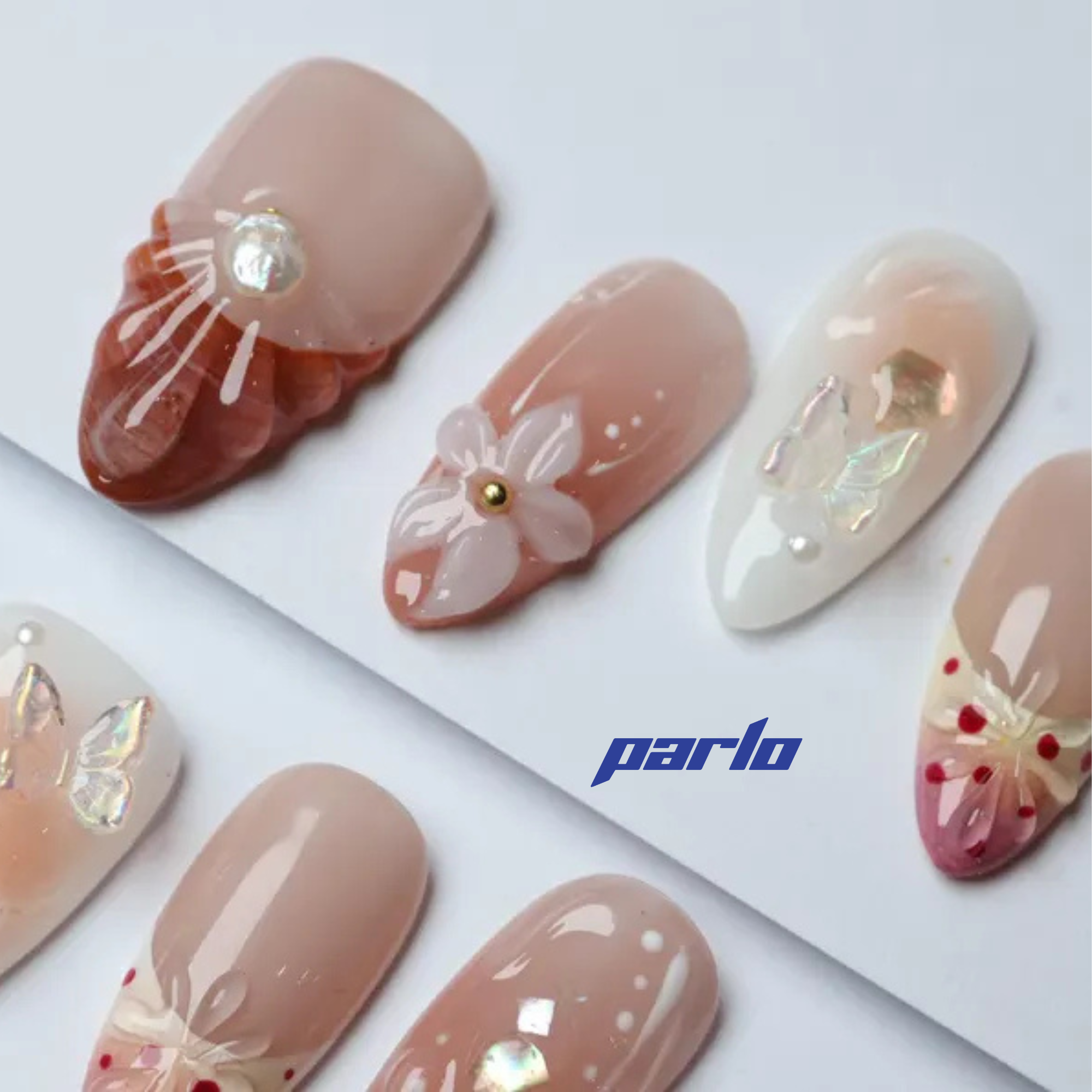
Looking for inspiration?  Aloha Acai press-ons are a perfect example of a beautiful color story!
Beyond the Basics: Trends and Techniques
Stay updated with the latest nail art trends, such as ombre, gradients, color blocking, and negative space designs. Experiment with different techniques like marbling, stamping, and freehand painting to add depth and complexity to your creations.
Want to explore unique designs? 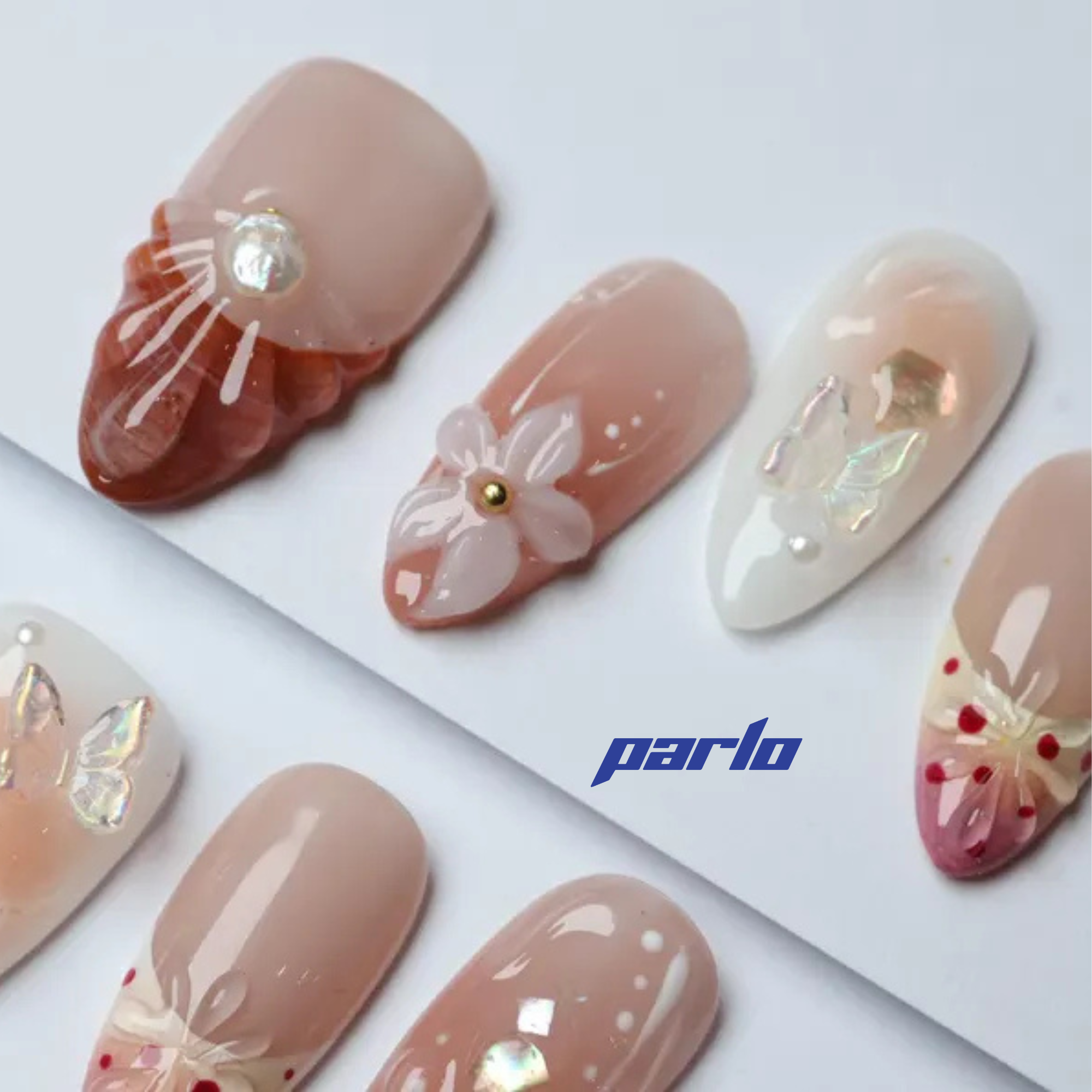 These 3D floral press-ons utilize color to create a stunning visual effect!
Don't be afraid to break the rules and develop your own unique style. The most important thing is to have fun and express your creativity!
Ready to create your own color masterpieces? Explore our collection of nail polishes and accessories to start experimenting with color theory today!
Generated from keyword: "Color Theory: A Guide For Nail Artists"